
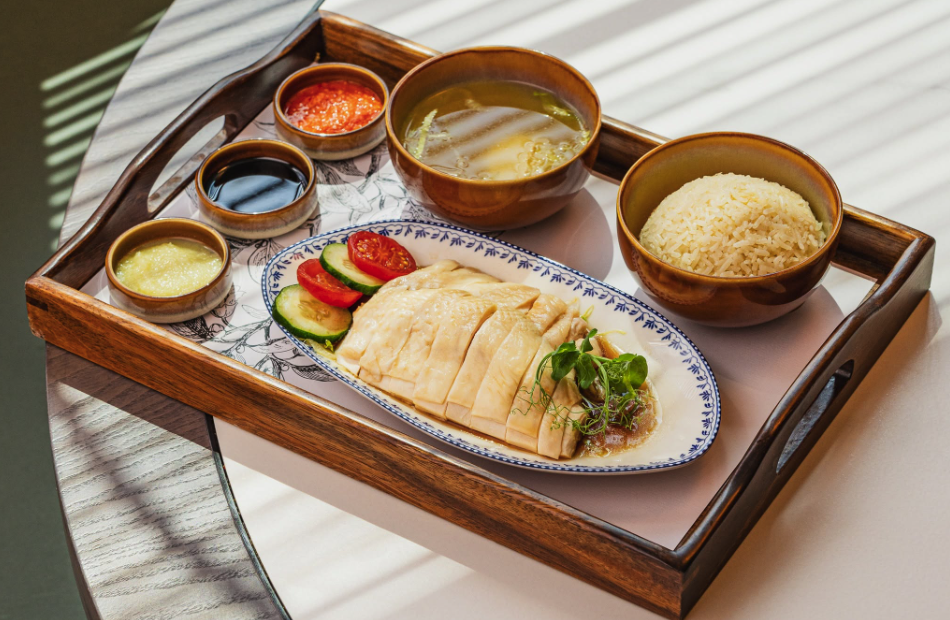
At Chatterbox, chicken rice isn’t just plated—it’s presented with quiet reverence. While the tender chicken and bold sauces often take the spotlight, today, we turn our attention to the unsung hero: the rice. Steaming, golden-hued, and rich with fragrant undertones, the rice in chicken rice isn’t just a side. It’s the soul of the dish.
Not all rice is created equal. You can’t use just any long-grain or jasmine variant and expect the same result. The rice in chicken rice must be firm enough to hold its shape yet soft enough to melt in your mouth. Each grain should carry flavour, not soak it up, not dry out, not turn soggy. The balance is everything.
Most stalls and chefs choose a specific variety of long-grain rice—polished just enough for sheen but not so much that it loses body. At Chatterbox, this choice is made deliberately, and the result is unmistakable from the first spoonful. You’ll notice the grains glisten slightly. They don’t collapse. They stand confidently on the plate, separate but together, forming a bed of subtle comfort and irresistible aroma.
Here’s the secret no one forgets to mention but few fully appreciate: chicken fat. A generous rendering of it coats every grain before water even touches it. The rice is lightly stir-fried in the fat, often with a handful of aromatics like garlic, ginger, and sometimes pandan leaves.
This pre-cooking step infuses depth. The rice isn’t just cooked with flavour; it becomes flavour. And that’s the difference between rice that accompanies a meal and rice that holds its own.
You don’t just smell it—you taste it. The richness is subtle, not greasy. It lingers on the palate, leaving just enough behind to make the next bite even better. This layer of chicken essence elevates the rice from neutral starch to a foundational centrepiece.
Good chicken rice makes you hungry before you even see it. That’s the work of aromatics doing their job. Pandan, ginger and garlic—each play a quiet role. When sautéed in the fat, these ingredients release scents that stay with the rice as it cooks.
But they’re not thrown in blindly. The balance matters. Too much ginger, and the rice becomes spicy. Too little pandan, and you lose that green, floral lift. It’s a subtle harmony that takes repetition and patience to get right.
The pandan leaves add a slightly sweet, grassy note. Ginger gives warmth. Garlic brings an earthy base. Together, they create a background that feels both clean and indulgent. You may not notice each component as you eat, but you’d certainly notice if one went missing.
Once the rice is coated and fragrant, water isn’t enough. It’s the chicken stock—made from simmering bones, necks, and sometimes feet—that gives the rice its full-bodied warmth. This stock is rich in gelatin and flavour, and when the rice absorbs it, it carries with it layers of taste that water could never provide.
Some places might take shortcuts. Instant stock cubes, low-simmer shortcuts, or even plain water. But you can tell in one bite. The rice lacks the savoury roundness, the slight cling, the finish that keeps you going back for another spoonful even after the chicken is gone.
Real stock takes time. Hours of gentle simmering coax out flavour from the bones. The liquid turns slightly opaque, dense with nutrients, and full of character. It transforms the rice into something truly special. This is the quiet magic that separates good chicken rice from great chicken rice.
Flavour aside, texture makes or breaks the experience. Good chicken rice should fall apart gently. No clumps. No mush. Each grain should be slick but separate, moist but never sticky. It should glide onto the spoon and into your mouth with ease.
It’s this textural precision that elevates chicken rice from a comforting lunch to a national treasure. Achieving this is through part technique, part equipment, and part experience. And at Chatterbox, it’s done with care that borders on obsession.
Too little moisture, and the rice dries out. Too much, and it collapses into mush. It’s a delicate balance. Experienced hands know how to read the rice. They know when it needs a little more steam or a minute less of rest. It’s cooking by instinct, by sound, by feel. You don’t just press a button and hope.
In most meals, rice is background. It’s filler. It gives bulk to curry, absorbs gravy, and helps you feel full. Not here.
In chicken rice, the rice carries as much importance as the chicken—arguably more. Without good rice, the whole dish collapses. You could serve the most tender, flavourful poached chicken, but if the rice is bland or soggy, it overshadows everything.
That’s why true fans pay attention to it. They notice when it’s a little off. They know when the texture isn’t quite there. And when it is perfect, they talk about it. At tables across Singapore, it’s not uncommon to hear someone say, “The rice was really good today,” as the highest form of praise.
The best versions of the dish start with a perfect spoonful of rice. Chicken and sauces come later. The rice sets the tone. It’s the canvas—and also the colour.
Here’s something you might not expect: some people eat the rice alone. No chicken, no sauces, no cucumber garnish. Just a plate of fragrant rice and maybe a soup on the side.
Why? Because it can stand alone. It doesn’t need help. That’s the sign of rice that’s been made with attention, not just thrown together to complete a plate.
In fact, some regulars even request extra rice—a second helping to enjoy after the chicken’s gone. It’s not about hunger. It’s about satisfaction. A quiet nod of appreciation for something done well.
Ever had cold chicken rice the next day? It’s a surprisingly revealing test. Great rice holds its flavour and texture even when it’s not piping hot. It doesn’t harden into a tasteless lump. It doesn’t dry out completely. That oil, that stock, those aromatics—they cling to the grains and stay with them.
A quick zap in the microwave or a light reheat on the stove brings it back to life. That’s longevity. That’s real cooking. Some even argue it's better the next day — richer, deeper, almost more rewarding.
This kind of rice doesn’t crumble under time. It carries the memory of the meal forward.
We obsess over rice not because we’re being picky, but because we know better. Singapore’s national dishes aren’t born out of extravagance—they come from care. From doing simple things well, consistently. That’s what makes the rice in chicken rice so revered. It’s a celebration of precision, of knowing when to stop, and when to add just a little more.
It doesn’t need saffron, or truffle, or spice. It just needs time, patience, and ingredients that speak for themselves.
It’s what your grandmother perfected. It’s what hawker legends built careers on. It’s what Chatterbox treats with the respect it deserves.
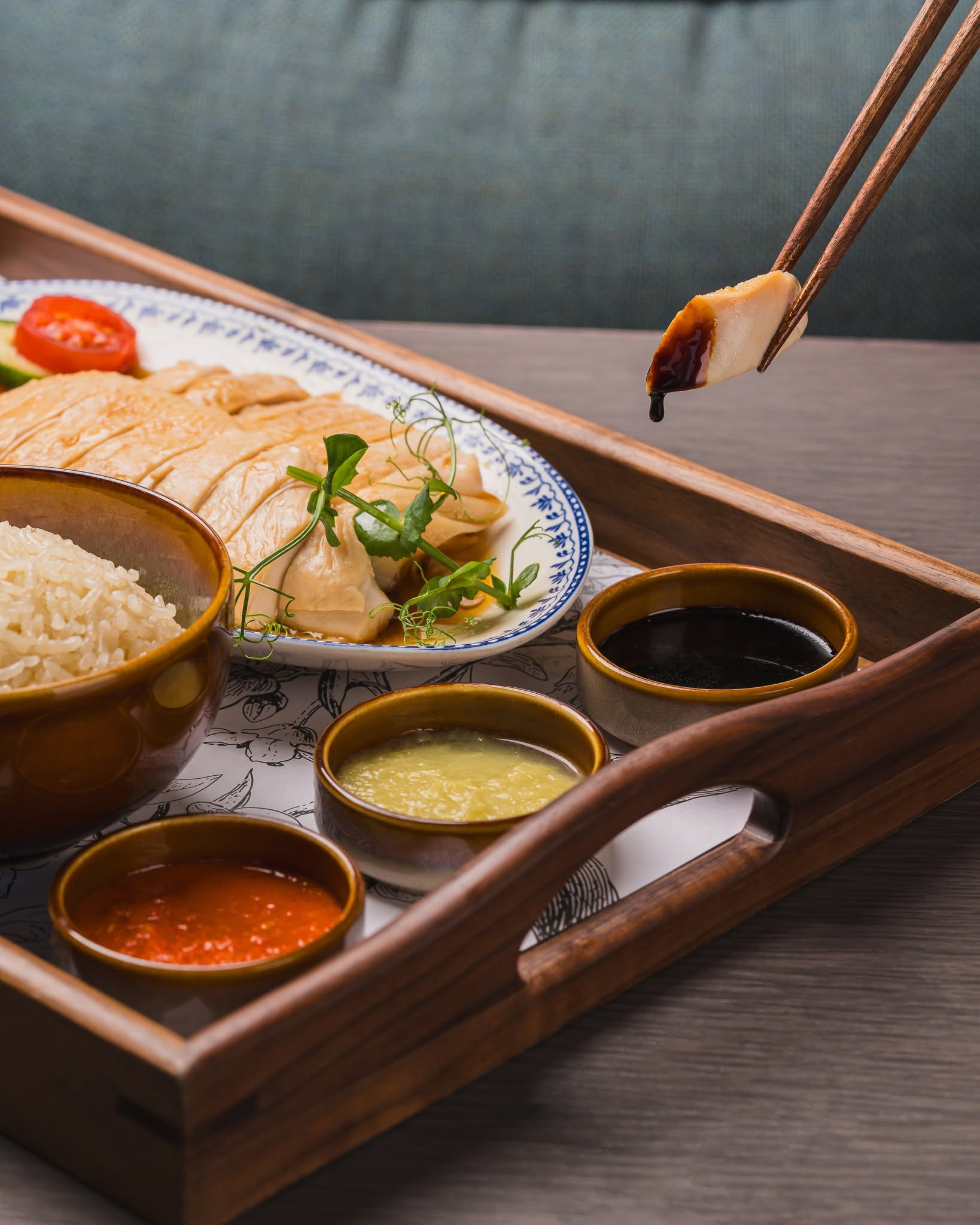
At Chatterbox, chicken rice gets the setting it deserves. Linen napkins, ambient lighting, polished service—but the heart of the dish remains the same. It’s about that plate of fragrant rice, the one you finish even when you thought you were full.
So the next time someone talks about chicken rice, listen for what they say about the rice. That’s where the love really is.
Bring someone special to Chatterbox and experience this local delicacy like you never have before.

Opening Hours
Monday to Friday
11.30am to 4.30pm (last order at 3.45pm)
Monday to Thursday
5.30pm to 10.30pm (last order at 9.45pm)
Saturday, Sunday and Public Holiday
11am to 4.30pm (last order at 3.45pm)
Friday, Saturday and Public Holidays
5.30pm to 11pm (last order at 10pm)
Contact Details
Hilton Singapore Orchard
333 Orchard Road, #05-03
Singapore 238867
T: +65 6831 6265
M: +65 8028 3984
E: chatterbox@ouerestaurants.com


Subscribe for latest updates
Receive exclusive news access and updates