
Balancing the Plate: A Thoughtful Take on Health and Heritage in Local Cuisine
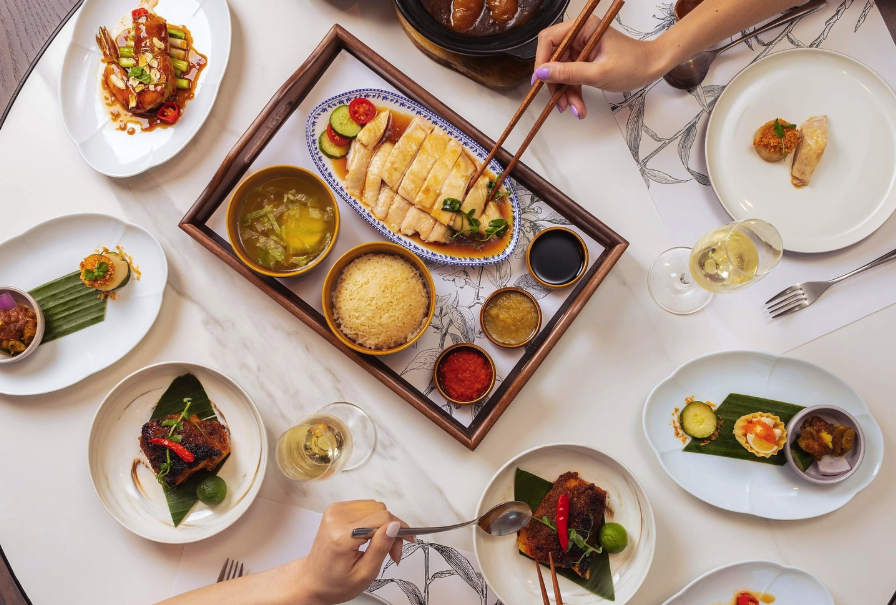
Singapore eats with memory, pride, and stories passed from stall to table to home. At Chatterbox, where chicken rice is served with quiet grace, the goal is simple: honour the dish, care for the diner, and let both health and heritage sit side by side. This piece explores how that balance looks in practice—without losing the flavour, the craft, or the comfort that locals cherish.
What “Healthy” Really Means for Local Food Lovers
Health is personal. It shifts with age, activity, and medical needs. But some ideas hold steady. Fresh ingredients. Thoughtful portions. Sensible cooking methods. Seasoning that builds depth rather than saltiness. None of this asks us to rewrite the past. It asks us to cook with care and to eat with intention.
Keeping the Soul, Trimming the Excess
Many local favourites were born from thrift and technique, such as slow-poached chicken and stocks layered over hours. These practices already bring balance. Small refinements can go further.
Use fats wisely. Skim stock. Brush oil, don’t pour. Choose oils with higher smoke points for wok work.
Lean cuts, same comfort. Chicken thigh with skin removed after cooking. Pork shoulder trimmed. Beef sliced thin across the grain.
Salt, but smarter. Season in stages. Build depth with toasted spices, ginger, galangal, lemongrass, and lime rather than extra soy or fish sauce.
Sugar with purpose. Caramelise aromatics. Let natural sweetness from onions, tomatoes, or shellfish round out the heat.
These choices keep flavour intact while easing the load on the body.
Rice and Noodles: Friend, Not Foe
Carbs carry culture here. They also carry the meal. Blanket rules miss the point. Instead, aim for a better structure.
Portion first. Think of rice or noodles as a base, not the whole bowl. A heaped teacup of rice can be enough if the plate brings greens and protein.
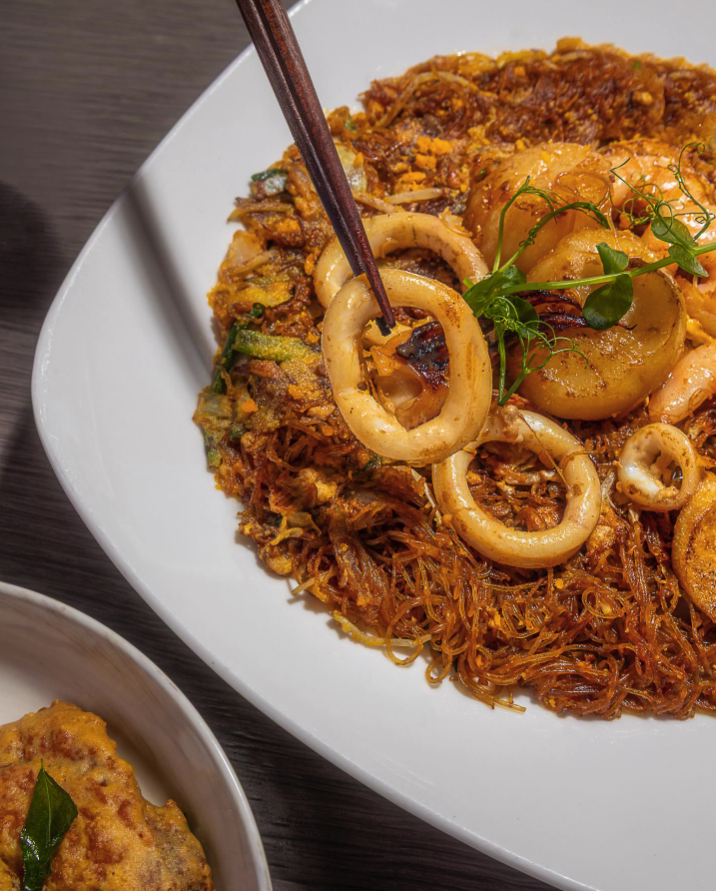
Swap by context. Add brown rice to white for a half-and-half mix. Try bee hoon in place of thicker noodles for lighter stir-fries. Use mung bean or sweet potato noodles for a springy texture and a different starch profile.
Add fibre at the source. Toss blanched choy sum, kai lan, or bean sprouts into fried noodles. Stir crunchy cucumbers or tomatoes through rice dishes for water and bite.
Protein: Technique is Everything
Moist, tender meat can be achieved without heavy sauces or deep frying.
Poach and rest. Gentle heat keeps chicken juicy, supports clear stock, and needs less sauce to taste rich.
Grill or pan-sear hot and fast. A quick sear adds char and aroma while limiting oil.
Braise with restraint. Use stock, aromatics, and a measured splash of soy. Reduce to thicken instead of adding starch at the end.
Tofu and eggs count. Silken tofu in broth. Firm tofu with sambal on the side. Soft-boiled eggs for extra protein without heaviness.
Vegetables: Doing More than Decorate
Garnish can be gorgeous. It can also pull real weight.
Pickled notes. A spoon of achar refreshes the palate and naturally reins in portions.
Warm greens. Blanch kai lan then season with garlic and a light drizzle of sesame oil. Serve alongside rice sets so greens feel part of the main act.
Crisp salads, local style. Pineapple, cucumber, herbs, roasted peanuts, and a lime-bright dressing pair well with rich sauces and roast meats.
Sauces: Where Restraint Shines
Sauces tell the story of a dish. Keep them bright and focused.
Layer, don’t flood. Offer chilli, ginger-scallion, and a light soy dipping sauce. Encourage tasting first before adding by half-teaspoon.
Build acid. Lime juice or rice vinegar lifts salt and heat so the sauce feels vivid without excess sodium.
Toast spices. Warmth from white pepper, coriander seed, or star anise gives depth that doesn’t rely on sugar.
Mindful Portions Without Fussy Rules
Local eating is social. Plates in the centre. Hands reaching, laughs rising. Keep that joy, and add simple cues.
The hand guide. One palm of protein. A cupped hand of rice or noodles. Two palms of vegetables.
Small bowls, big flavours. Serve strong sauces in tiny dishes. People naturally use less.
Course the meal lightly. Soup first, crisp greens next, rice and protein last. Pace helps the body recognise fullness.
Eating Out: How to Order with Care
You can keep heritage on the table and still feel good after the meal.
Ask for sauce on the side.
Swap deep-fried sides for braised dishes or blanched greens.
Choose steamed or grilled proteins.
Share a dessert. Taste, smile, pass the spoon.
A Closer Look at Chicken Rice
The classic invites careful choices.
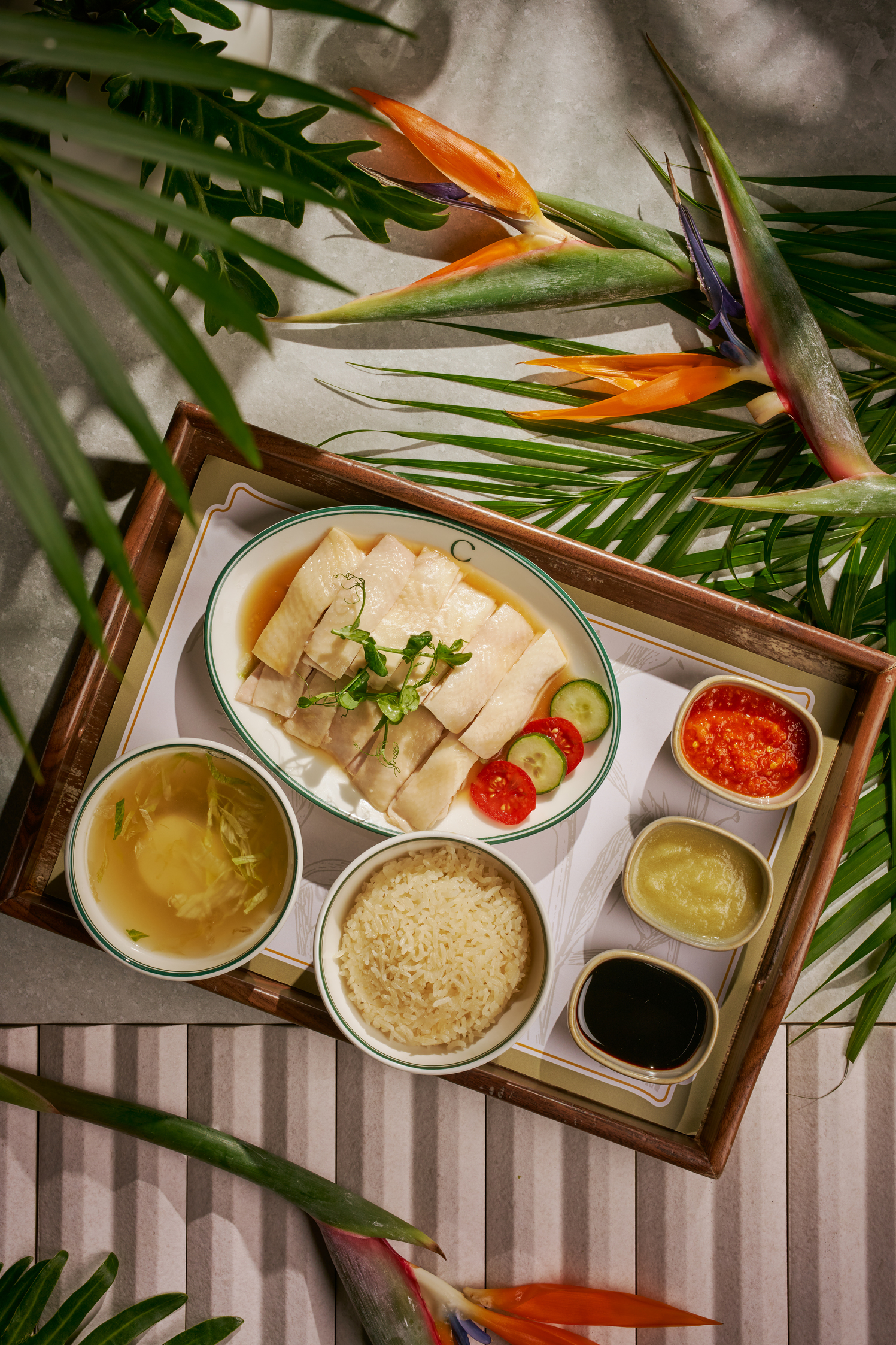
Chicken. Poach gently. Rest before carving. Remove skin at the table if you prefer.
Rice. Toast garlic and ginger lightly. Use less fat than you think. A fragrant, clear stock does the heavy lifting.
Broth. Skim well. Season so it tastes clean and bright, not salty.
Sauces. Fresh chilli with lime. Ginger-spring onion, made with a delicate hand. A soy dip that whispers, not shouts.
Sides. Cucumber for crunch, a modest portion of rice, and a bowl of greens. The set feels complete yet balanced.
Tradition and Change Can Share a Plate
Food evolves across families and decades. Change does not need loud gestures. It can be quiet and respectful.
Keep the look and core flavours.
Adjust the ratio of rice to greens.
Use stock and spices to build richness instead of extra salt and sugar.
Treat sauces as accents, not the main act.
This is progress that feels like home. We do this best at Chatterbox.
FAQs: Clear Answers for Common Worries
Is white rice “bad”?
No. Consider quantity and context. Pair rice with protein and greens, and keep portions steady. If you like, blend in brown rice for extra fibre without losing aroma.
Can I enjoy laksa and still keep things light?
Yes. Sip the broth first. Add noodles by the bite. Share a bowl or order a side of greens to split. Savour the spice and shellfish sweetness; you may find less noodle feels just right.
Are sauces the main source of salt?
Often, yes. Taste before adding. A squeeze of lime or a spoonful of pickles can brighten the plate without extra soy.
How do I build a balanced hawker meal?
Pick a protein base. Add a small rice or noodle portion. Include a vegetable side. Share something rich, like fried items, across the table rather than per person.
What if I’m watching cholesterol?
Choose poached or grilled proteins. Remove skin after cooking. Enjoy tofu and eggs in moderate portions. Keep broth clear and measure sauces.
Can kids eat this way too?
Absolutely. Offer small bowls, mild chilli on the side, and colourful greens. Invite them to taste first, then season to preference.
Bringing It Home
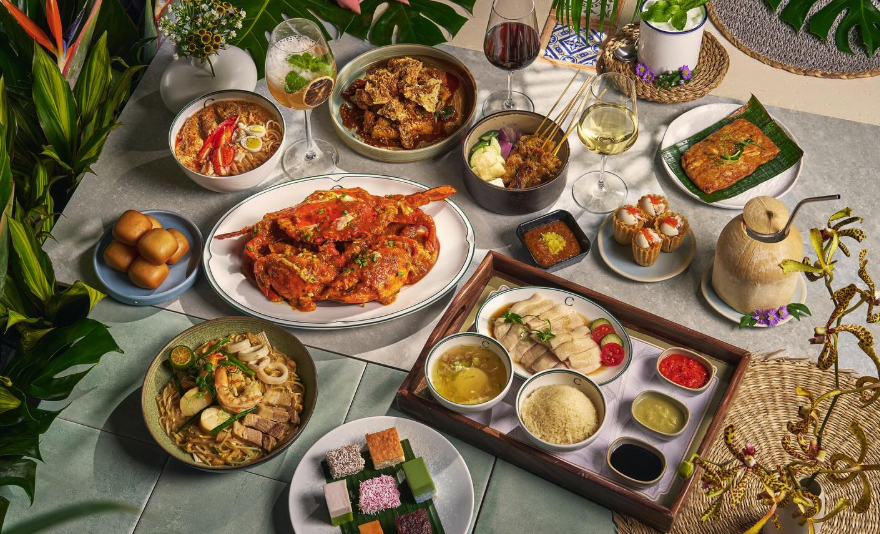
A balanced table doesn’t ask for sacrifice. It asks for care, specifically care in sourcing, seasoning, as well as how we portion, plate, and share. The reward is a meal that feels light but deep, respectful but current. It is possible to protect heritage and support health in the same breath.
That is the spirit behind the local dishes served at Chatterbox, where classic flavours meet thoughtful choices. The dish always remains itself. The diner leaves satisfied. And the story of Singaporean cuisine continues—warm, familiar, and well.
Monday to Friday 11.30am to 4.30pm (last order at 3.45pm) Monday to Thursday 5.30pm to 10.30pm (last order at 9.45pm) Saturday, Sunday and Public Holiday 11am to 4.30pm (last order at 3.45pm) Friday, Saturday and Public Holidays 5.30pm to 11pm (last order at 10pm)
Subscribe for latest updates
Receive exclusive news access and updates
Thank you! Your submission has been received!
Oops! Something went wrong while submitting the form.
