
Singapore's hawker culture is a gastronomic wonder—a vibrant tapestry of flavours and traditions that has earned global recognition. It’s a story of resilience, creativity, and community spirit woven into the city-state’s identity.
Chatterbox, nestled in the elegance of a five-star hotel, exemplifies this heritage by elevating quintessential hawker classics into sophisticated culinary experiences. This blog explores the fascinating journey of Singapore's hawker culture, from humble beginnings to attaining UNESCO's Intangible Cultural Heritage status.
Hawker culture in Singapore began in the mid-19th century when the city became a bustling trading hub. Immigrants from China, India, and the Malay Archipelago arrived for better opportunities and brought with them their culinary traditions. With limited resources and no permanent establishments, these early hawkers operated makeshift stalls along the streets, peddling home-cooked meals to dock workers, rickshaw pullers, and labourers.
The dishes they created were born of ingenuity and necessity, relying on inexpensive, local ingredients. Hainanese immigrants, for example, adapted their culinary skills by working in colonial households, eventually creating the now-iconic Hainanese chicken rice. Malay satay vendors would grill skewers over open flames, filling the air with tantalising aromas that drew crowds after long workdays. Meanwhile, Indian hawkers sold roti prata and curry from roadside pushcarts.
Each hawker dish told a story, blending flavours from different cultures and contributing to the melting pot of Singaporean cuisine today. This unique fusion laid the foundation for one of Singapore’s most defining cultural assets.
By the 1960s, Singapore’s rapid urbanisation and population growth had raised concerns over hygiene and public safety. Street hawkers, while beloved, often operated in unsanitary conditions with limited oversight. The government launched a large-scale initiative to relocate hawkers into organised centres equipped with proper facilities to address this issue.
These hawker centres, such as Maxwell Food Centre and Tiong Bahru Market, improved food safety and created vibrant communal spaces where Singaporeans from all walks of life could gather over affordable meals.
At first, the transition from street vending to structured hawker centres was met with mixed reactions. However, hawkers gradually adapted, and many stalls became multi-generational family businesses. Today, younger family members often learn the craft from their elders, preserving recipes passed down for decades.
Singapore’s hawker culture is a testament to its multicultural society. Each dish reflects influences from Malay, Chinese, Indian, and Peranakan traditions. The mix of flavours creates a sensory experience that is uniquely Singaporean.
Hawker centres democratise gourmet experiences, offering Michelin-starred meals at prices accessible to everyone. For example, Hill Street Tai Hwa Pork Noodle and Hong Kong Soya Sauce Chicken Rice have been awarded Michelin stars, placing hawker fare on the same level as fine dining establishments.
Beyond food, hawker centres serve as gathering points where stories are shared, relationships are forged, and Singapore’s diverse communities come together.
Singapore began its bid to place hawker culture on UNESCO’s Intangible Cultural Heritage list in 2018. The effort involved extensive collaboration between government agencies, heritage organisations, and hawker associations. The goal was to highlight hawker culture as a culinary phenomenon and a cornerstone of Singapore’s social fabric.
Key milestones in the journey to UNESCO recognition included:
Singapore was immensely proud when UNESCO officially inscribed hawker culture on its Intangible Cultural Heritage list in December 2020. The recognition validated hawkers’ contributions and underscored the importance of safeguarding this living heritage for future generations.
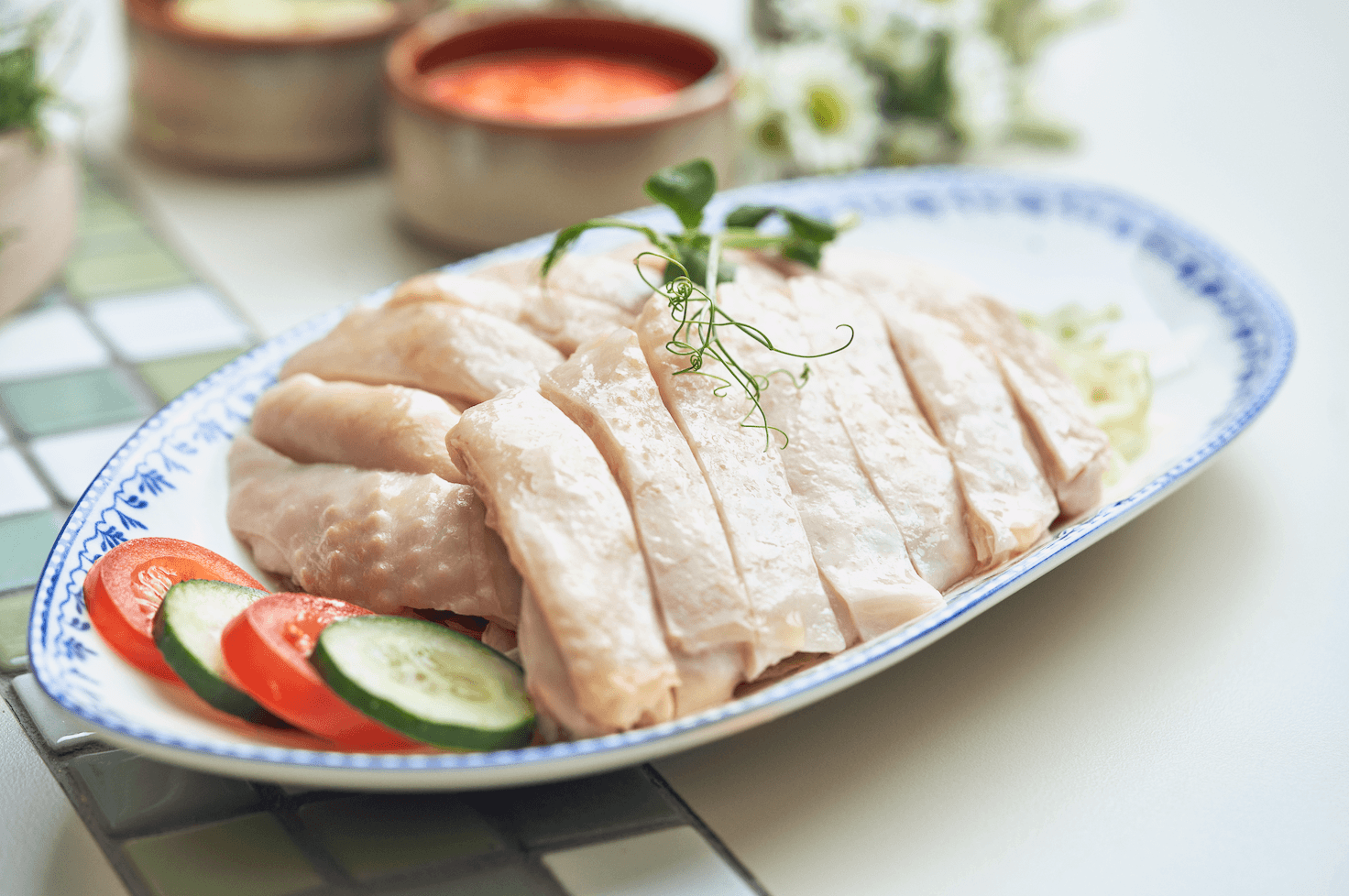
This simple yet flavourful dish is synonymous with Singapore. Poached or roasted chicken is served over fragrant rice, chilli sauce, ginger paste, and dark soy sauce. It’s a staple in hawker centres across the island.
Stir-fried flat noodles mixed with prawns, Chinese sausage, eggs, and bean sprouts create a smoky, indulgent dish locals love.
A dish of national pride, chilli crab features succulent crabs drenched in a rich, sweet, and spicy tomato-based sauce.
A Peranakan delicacy, laksa is a spicy noodle soup with coconut milk, served with prawns or chicken.
This crispy, flaky flatbread is often enjoyed with curry or sugar. The theatrical process of flipping and frying the dough draws curious onlookers at hawker stalls.
Despite its global recognition, hawker culture faces several challenges:
To address these issues, Singapore has introduced initiatives like the Hawkers’ Development Programme (HDP), which offers training and mentorship to aspiring hawkers. Food delivery platforms also feature hawker stalls, expanding their reach beyond physical locations.
Preserving hawker culture requires a collective effort from the government and the public. Singaporeans can ensure this heritage remains vibrant by supporting hawker stalls, attending hawker festivals, and introducing hawker cuisine to younger generations.
As hawker culture evolves, Chatterbox is a beacon of tradition and innovation. Known for our signature Mandarin Chicken Rice, Chatterbox reimagines the humble dish in a luxurious setting, maintaining the essence of hawker cuisine while elevating it for modern palates.
Dining at Chatterbox isn’t just about enjoying a meal but celebrating Singapore’s rich culinary heritage. Whether you’re a local rediscovering a classic or a tourist seeking authentic flavours, Chatterbox invites you to experience hawker culture like never before.
In preserving and elevating hawker traditions, Chatterbox ensures that Singapore’s iconic street food continues to shine globally, blending the past with the future.

Opening Hours
Monday to Friday
11.30am to 4.30pm (last order at 3.45pm)
Monday to Thursday
5.30pm to 10.30pm (last order at 9.45pm)
Saturday, Sunday and Public Holiday
11am to 4.30pm (last order at 3.45pm)
Friday, Saturday and Public Holidays
5.30pm to 11pm (last order at 10pm)
Contact Details
Hilton Singapore Orchard
333 Orchard Road, #05-03
Singapore 238867
T: +65 6831 6265
M: +65 8028 3984
E: chatterbox@ouerestaurants.com


Subscribe for latest updates
Receive exclusive news access and updates