
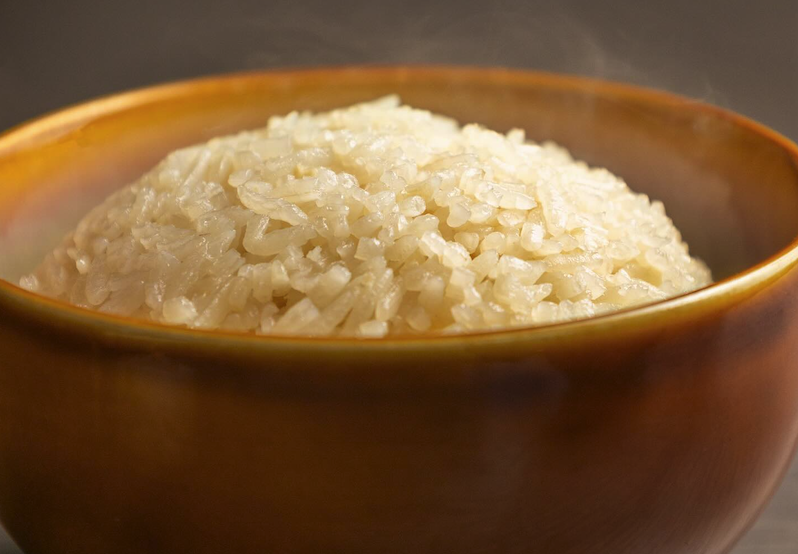
Carbs don’t just sit on the plate in Southeast Asia. They live in memory. Think about the steam that rises from jasmine rice as the lid comes off the pot. Or the clang of noodles hitting a wok at midnight. Or the way vermicelli softens and disappears into a bowl of broth—quiet, but essential.
This region doesn’t treat carbs as extras. Some might even say they’re the main act. Ask people, and the consensus is that a meal without rice isn’t a meal. Noodles aren’t just dinner, they’re rituals, shared bowls, late-night suppers. Even the humblest fried rice carries the taste of childhood.
Walk into Chatterbox and you’ll see the same story, just told under softer lights. The chicken rice, the laksa, the hokkien mee—they’re polished, yes. But beneath the elegance, they’re still the dishes that have fed families, neighbours, and whole communities.
Rice is the steady heartbeat of Southeast Asia. People don’t ask, “Did you eat?” They ask, “Did you eat rice?” Because without it, the day feels incomplete.
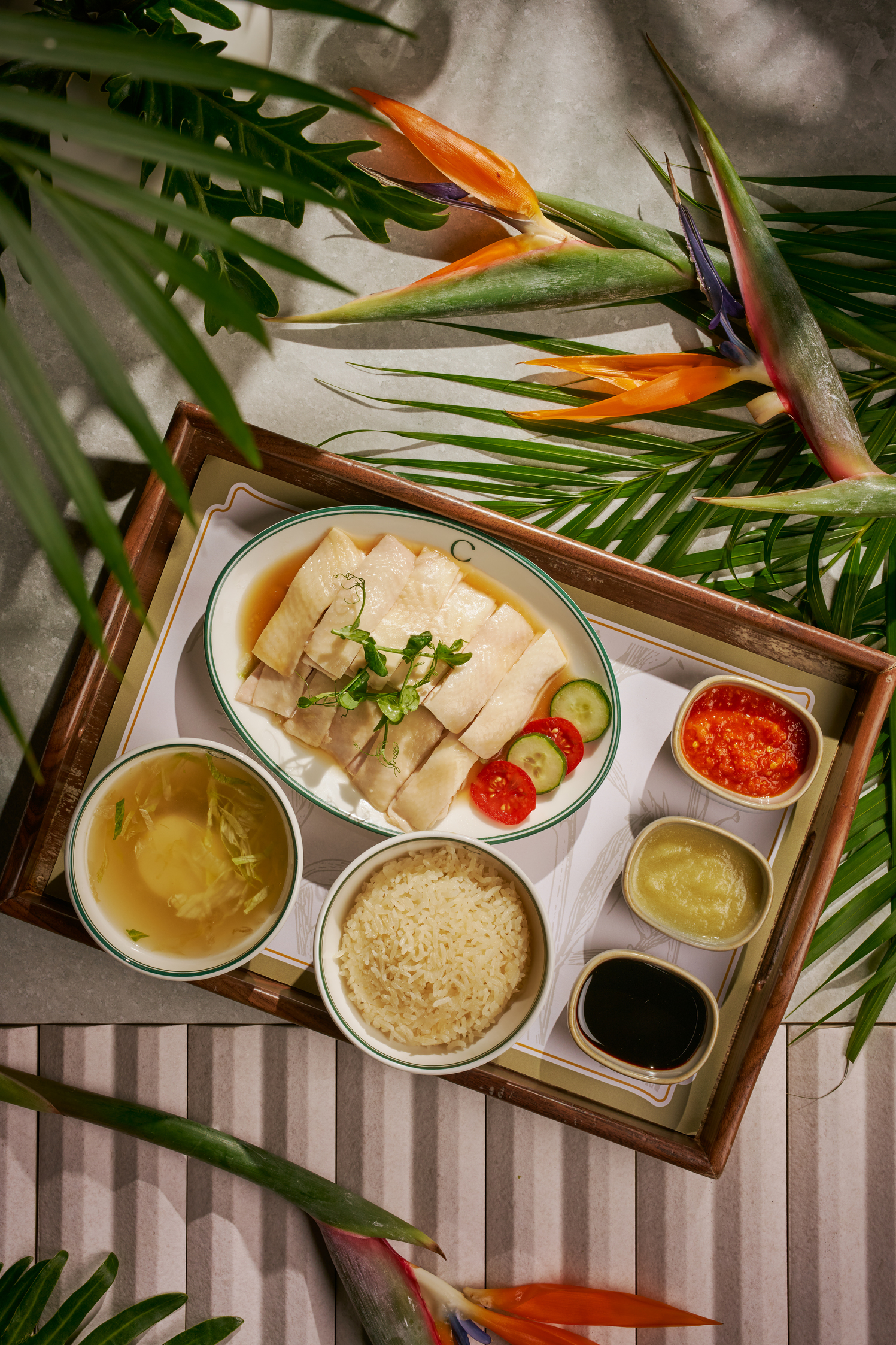
The Mandarin Chicken Rice at Chatterbox makes that point clear. Sure, the chicken is tender, juicy, and cooked with care. But the rice, cooked in broth with pandan and ginger, is what people come back for. It’s fragrant, soft, and comforting in a way that feels bigger than the plate itself. Add the trio of chilli, soy, and ginger, and suddenly you understand why this dish has lasted so long.

Rice can change moods, too. Kampong Nasi Goreng is playful and smoky, grains tossed with sambal, prawns, chicken wings, and prawn crackers. It’s messy in the best way, the kind of dish that reminds you of neighbours dropping by unannounced and everyone crowding around the same table.
And even when plain, rice matters. A scoop of jasmine rice next to curry or sambal vegetables? That’s the anchor. It absorbs flavour, balances spice, and stretches a meal so everyone at the table gets enough. That’s rice. It doesn’t show off, but it holds everything together.
Noodles have personality. They twist, they slurp, they hold sauce in a way rice never could. They bring drama to a meal, and they carry stories too of migration, of late-night suppers, and of birthdays where long strands mean long life.

Take Seafood Hokkien Mee. Bee hoon and yellow noodles, cooked in seafood broth until they drink it all in. Prawns, squid, pork belly, sprouts, chives: it’s rich, smoky, messy, and deeply satisfying. The wok leaves behind that unmistakable char. You know the smell: sharp, savoury, a little sweet. The kind of smell that clings to your clothes after a hawker meal.

Or Beef Hor Fun. Wide, flat noodles are seared until they carry wok hei. Coated in dark bean gravy with slices of beef. Silky, hearty, the sort of dish that settles in your stomach and stays with you. It’s comfort food in every sense.
Noodles aren’t just food. They’re symbols. Long noodles at birthdays for luck, bowls shared at family dinners to remind everyone they belong. They don’t just fill bellies—they connect people.
Vermicelli doesn’t grab attention. It doesn’t need to. It soaks, it carries, it transforms. Drop it in broth, and it takes on the whole story.

Lobster Laksa shows it best. Thick vermicelli swimming in coconut milk and lemongrass, lifted by chilli, topped with lobster. The broth is rich but not heavy, spicy yet sweet. The noodles? They’re the part that ties it together. Without them, it’s soup. With them, it’s laksa, and something that comforts while it surprises.
The Braised Seafood White Bee Hoon works differently. Rice vermicelli cooked slowly in seafood broth, served with abalone and seafood. It feels luxurious, but the soul of it is humble. Families have been cooking bee hoon this way for years; stretching broth, making it feed everyone, turning little into enough. Chatterbox just adds polish to what’s already there.
And there’s symbolism too. Bee hoon often shows up at reunions and gatherings. Long, pale strands that slip onto plates easily, made to be shared. They mean continuity, resilience, and family ties that stretch without breaking.
Then there are the carbs that dance with fire. The wok isn’t gentle. It sears, smokes, and leaves behind flavours that can’t be faked.

Char Kway Teow is the classic example. Flat noodles tossed with cockles, prawns, fish cake, soy sauce, and egg. It’s smoky, savoury, and a tinge of sweet. The kind of dish you eat quickly at a hawker stall, sitting elbow to elbow with strangers. The kind that makes you lean back, satisfied, before you’ve even finished the plate.
At Chatterbox, the fire is still there, but the pace slows down. Instead of rushing, you take time. You notice the chew of the noodles, the way soy clings, the balance of seafood and smoke. Same dish, new rhythm.
Rice feeds the day. Noodles carry memory. Vermicelli adapts, soaking up flavour and meaning alike. Together, they make up the backbone of Southeast Asian food.
Look at the menu at Chatterbox: Mandarin Chicken Rice, Seafood Hokkien Mee, Beef Hor Fun, Char Kway Teow, Braised Seafood White Bee Hoon, Lobster Laksa, Kampong Nasi Goreng. None of these dishes would work without carbs. They’re not just supporting players. They’re exactly the point.
Ask anyone who has lived away from home what they miss, and often the answer is simple: rice, noodles, bee hoon. Not just the taste, but what it stands for—family, belonging, comfort. In other words, carbs taste like home.

What Chatterbox does is subtle. It doesn’t reinvent these staples. It doesn’t need to. Rice is still cooked in broth. Noodles still meet the wok. Laksa still carries the richness. The difference is in the setting, a dining room where these dishes are given room to breathe, to be appreciated without distraction, to remind diners of why they matter.
Carbs here aren’t fillers. They’re soul food. They’re memory. They’re satisfaction. And in every plate, from chicken rice to laksa, Chatterbox shows what Southeast Asia has always known: carbs carry more weight than we give them credit for.
Experience Singapore, a melting pot of Southeast Asian culture, right here at Chatterbox.

Opening Hours
Monday to Friday
11.30am to 4.30pm (last order at 3.45pm)
Monday to Thursday
5.30pm to 10.30pm (last order at 9.45pm)
Saturday, Sunday and Public Holiday
11am to 4.30pm (last order at 3.45pm)
Friday, Saturday and Public Holidays
5.30pm to 11pm (last order at 10pm)
Contact Details
Hilton Singapore Orchard
333 Orchard Road, #05-03
Singapore 238867
T: +65 6831 6265
M: +65 8028 3984
E: chatterbox@ouerestaurants.com


Subscribe for latest updates
Receive exclusive news access and updates